
Red Sea marine life: the 10 animals you are most likely to see
The Red Sea delivers one of the world’s most rewarding mixes of shallow coral reefs, clear water, and charismatic marine life. For snorkelers and divers, that means you do not need extreme depths or advanced certifications to see standout species: turtles over seagrass, reef fish above coral gardens, dolphins on offshore reefs, and rays cruising the blue.
The strongest wildlife encounters happen when you match the right animal to the right habitat. Seagrass bays around Marsa Alam are the best place to look for turtles and, on rare lucky days, dugongs. Easy reef trips from Hurghada put beginners close to clownfish, morays, lionfish, wrasse, and eagle rays, while Ras Mohammed and other offshore reef systems attract more pelagic action.

Why the Red Sea is so good for wildlife watching
The Red Sea combines several advantages that matter in the water: excellent visibility, warm temperatures for much of the year, and reef structures that start close to the surface. Many classic marine species live in snorkel depth, not only on deep walls.
That is why the Red Sea works for different trip styles. Families can enjoy short reef stops in calm lagoons, first-time snorkelers can focus on sheltered coral gardens, and experienced divers can head to current-swept plateaus and offshore reefs for larger animals.
The top 10 marine animals to see in the Red Sea
1) Dolphins
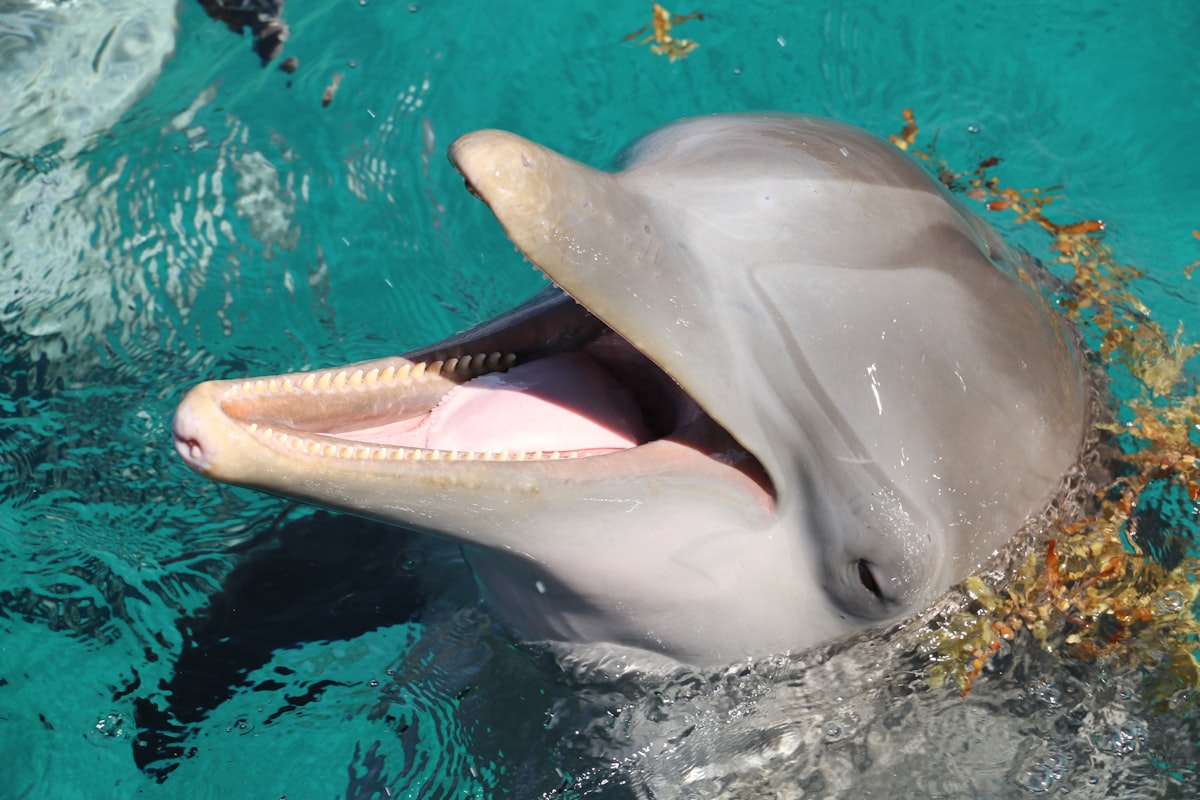
Spinner dolphins are among the most talked-about Red Sea sightings, especially around reef systems where pods rest or travel offshore. Samadai Reef, often called Dolphin House near Marsa Alam, is one of the region’s best-known places for regulated dolphin encounters.
The best sightings come from respectful, patient observation. Good operators keep distance, avoid cutting across the pod, and let dolphins choose whether to approach. For travelers planning a wildlife-focused beach stay, snorkeling trips and southern Red Sea boat days are the most practical starting point.
2) Sea turtles
Green turtles and hawksbill turtles are two of the Red Sea’s most prized sightings. Green turtles are often associated with seagrass feeding areas, while hawksbills are regularly seen around coral reefs where they forage among reef structure.
For beginners, turtles are one of the most realistic “bucket-list” animals to see. Early morning in protected bays offers the calmest water and the best chance of spotting a turtle gliding slowly across the reef or feeding over seagrass.
3) Octopus
The octopus is the Red Sea’s master of camouflage. It is not the biggest animal on this list, but it is often the most memorable because sightings feel like a small underwater mystery suddenly solved.
Look carefully at broken coral, sandy patches beside reef ledges, and crevices with shells outside the entrance. Dusk and night dives increase your odds dramatically, but even daytime snorkelers sometimes spot one changing color or texture in seconds.
4) Moray eels
Giant morays and other moray species are classic Red Sea residents. They are often seen with just the head visible, mouth opening and closing in a way that looks dramatic but is usually normal breathing behavior.
Morays prefer reef cracks, ledges, and coral heads with shelter. They are common enough that even casual snorkelers see them on healthy reefs, especially in areas with dense coral architecture rather than wide sandy bottoms.
5) Lionfish
Lionfish are among the Red Sea’s most recognizable species, with banded bodies and long venomous spines. They often hover motionless near coral blocks, overhangs, and shaded reef corners.
They are easiest to appreciate when the current is light and the water is calm. Dawn and dusk are especially good times, when lionfish become more active and begin hunting smaller reef fish.
6) Napoleon wrasse
The Napoleon wrasse, also known as humphead wrasse, is one of the signature large reef fish of the Red Sea. Adults are unmistakable: massive body, heavy lips, and a confident, almost curious way of moving around divers.
These fish favor healthy reefs with strong coral cover. Seeing one on a reef drift instantly changes the mood underwater, because few reef fish have the same presence or size.
7) Anemonefish
Anemonefish are often the easiest “famous” reef fish to spot. They live among sea anemones, defending their small patch of reef with surprising confidence.
For new snorkelers, they are ideal because you do not need deep water, current, or long boat runs. Once your guide points out the first anemone, you usually start noticing many more nursery-like microhabitats across the reef.
8) Eagle rays
Eagle rays bring a sense of motion and elegance that reef fish cannot match. They tend to appear suddenly, crossing sandy channels or reef edges with strong, steady wingbeats.
They are more common on outer reefs, reef drop-offs, and blue-water edges than in very sheltered lagoons. If you are on a drift snorkel or dive near offshore reefs, keep checking the water column beyond the coral.
9) Manta rays
Manta rays are among the Red Sea’s most sought-after seasonal visitors. They are not an everyday sighting, but in the right season and at the right offshore sites, they are absolutely possible.
Spring and early summer are the classic times to watch for mantas around offshore plateaus, channels, and cleaning stations. Divers usually have better odds than casual snorkelers, but surface sightings also happen on boat crossings.
10) Whale sharks
Whale sharks are the wild card of Red Sea wildlife watching. Encounters are uncommon and never predictable, but the possibility alone keeps many experienced divers scanning the blue between reef sites.
These sightings are more likely around offshore routes during periods of plankton-rich water, especially in warmer months. The key is to treat any encounter as brief and privileged: no chasing, no crowding, and no trying to get directly in front of the animal.

Best places in the Red Sea for different marine animals
The best Red Sea wildlife plan starts with geography. Not every destination offers the same habitats, and choosing the right base changes what you are most likely to see.
| Area | Best for | Typical experience level | What stands out |
|---|---|---|---|
| Hurghada | Reef fish, morays, lionfish, turtles, easy boat snorkeling | Beginner to intermediate | Convenient marinas, popular day boats, accessible reefs and islands |
| Marsa Alam | Dolphins, turtles, dugong habitat, seagrass bays | Beginner to advanced | Strong wildlife reputation, southern reefs, calmer bay-based encounters |
| Sharm El Sheikh / Ras Mohammed | Pelagic species, reef walls, rays, stronger reef diversity | Intermediate to advanced | Dramatic reef structure, offshore sites, current-based drift routes |
| Southern offshore reefs | Mantas, whale sharks, eagle rays, large reef fish | Advanced snorkelers and divers | Less predictable but highest big-animal potential |
Hurghada is the easiest all-round base for travelers who want a comfortable Red Sea wildlife day without overcomplicating logistics. Boat trips usually combine reef stops, shallow snorkeling, and enough variety for first-time visitors.
Marsa Alam is the better pick when wildlife is the core reason for the trip. Its southern position, seagrass bays, and access to famous dolphin and turtle areas make it especially strong for repeat snorkelers and travelers prioritizing animal encounters over city life.
Best time to see Red Sea marine life
The Red Sea is a year-round destination, but conditions shape what you see. Warm water, light winds, and calm mornings consistently improve the experience for both snorkelers and divers.
Winter water is cooler but still very manageable with the right exposure protection. Summer brings warmer water and long bright days, while the shoulder seasons often provide the best balance of comfort, visibility, and marine activity.
For wildlife specifically, use these broad patterns:
Calm mornings for turtles and dolphins
Morning trips usually mean flatter seas, easier entries, and better visibility from the surface. That is especially helpful when scanning for turtle shapes over seagrass or looking for dolphins from the boat.
Dusk and night for octopus and hunting behavior
If your main interest is smaller reef behavior, evening conditions are excellent. Octopus, lionfish, and many reef predators become more active as daylight drops.
Spring to early summer for larger pelagics
This is the period most often associated with manta ray and occasional whale shark encounters on offshore routes. These are still wild sightings, not guaranteed attractions, but this is the strongest window to target them.
What a Red Sea wildlife day actually looks like
A typical day starts from a marina in the morning, with a briefing on route, reef conditions, and in-water rules. Boat runs to the first stop often take under two hours, depending on departure point and reef location.
Once in the water, expect short to medium snorkel sessions rather than one long continuous swim. That format works well because different species favor different microhabitats: one stop for coral gardens and clownfish, another for reef edge and rays, another for seagrass or blue-water scanning.
For divers, a two-dive day often delivers the best range. One site might be a coral slope full of resident reef life, while the second offers a wall, channel, or outer reef edge where larger animals pass through.
How to improve your chances of seeing more animals
Start with site selection, not luck. Turtles need seagrass and calm reef flats, dolphins favor known offshore reef systems, and mantas are linked to productive offshore areas rather than random beach entries.
Keep your movements slow. Fast kicking, splashing, and repeated diving down usually push animals farther away. The best wildlife watchers float calmly, scan ahead, and let the encounter unfold.
A guide makes a real difference. Experienced local guides know where turtles feed, which coral blocks often hide morays, and when a site is worth revisiting because current or visibility has shifted in your favor.
Responsible wildlife etiquette in the Red Sea
The best encounter is one that leaves the animal completely unbothered. That principle matters even more in popular Red Sea destinations where multiple boats may visit the same reef systems.
Keep clear space around dolphins, turtles, rays, and large fish. Never block an animal’s path to the surface, cut across its direction of travel, or surround it from several sides.
With coral, the rule is simpler: no touching, standing, kneeling, or finning into it. Many of the Red Sea’s most beautiful marine animals depend on reef health, and even small contact damage adds up quickly on busy sites.
Choose operators that brief guests clearly, use guides in the water, and manage group behavior instead of just dropping people at a reef. That is better for wildlife and better for your own sighting quality.
Who should book a Red Sea wildlife trip
The Red Sea suits far more than certified divers. Strong swimmers, families with older children, first-time snorkelers, underwater photographers, and returning beach travelers all have good options.
Beginners do best on calm reef stops close to the surface, especially around Hurghada and protected bays farther south. More experienced travelers should target longer boat days, drift sites, and destinations where current and offshore structure attract larger animals.
If marine life is the main reason for your Egypt trip, browse Hurghada and snorkeling trips first, then compare them with southern options around Marsa Alam. That gives you a clear sense of whether you want easy-access reef variety or a more wildlife-focused base.


