
Transformative Red Sea Travel: Slow Dives, Desert Stars, New Perspective
Quick Summary: Trade the all-inclusive rhythm for reef-blue dawns, Bedouin tea by the fire, and community-led dives. This journey across Egypt’s Red Sea reframes pace and connection, revealing how presence—underwater and under stars—changes how you see the world and yourself.
Morning light arrives like a soft instruction: breathe slower. On Egypt’s Red Sea, you trade buffets and bell schedules for rhythms set by current, wind, and sand. In Hurghada, pre-dawn dolphins cut silver lines through calm water; in Dahab, tea simmers beside a desert fire as stars crowd the sky. The result is less itinerary—and more invitation to notice.
What Makes This Experience Unique
Here, “vacation” gains dimension. Reef time is reflective: buoyancy becomes mindfulness, breathing becomes metronome, and wildlife encounters turn into lessons in restraint. Bedouin hospitality reframes comfort as connection—stories traded for tea, silence honored by stars. The landscapes—coral gardens, knife-edged mountains, mirrored lagoons—conspire to slow you down until curiosity is the point, not the prize.
Where to Do It
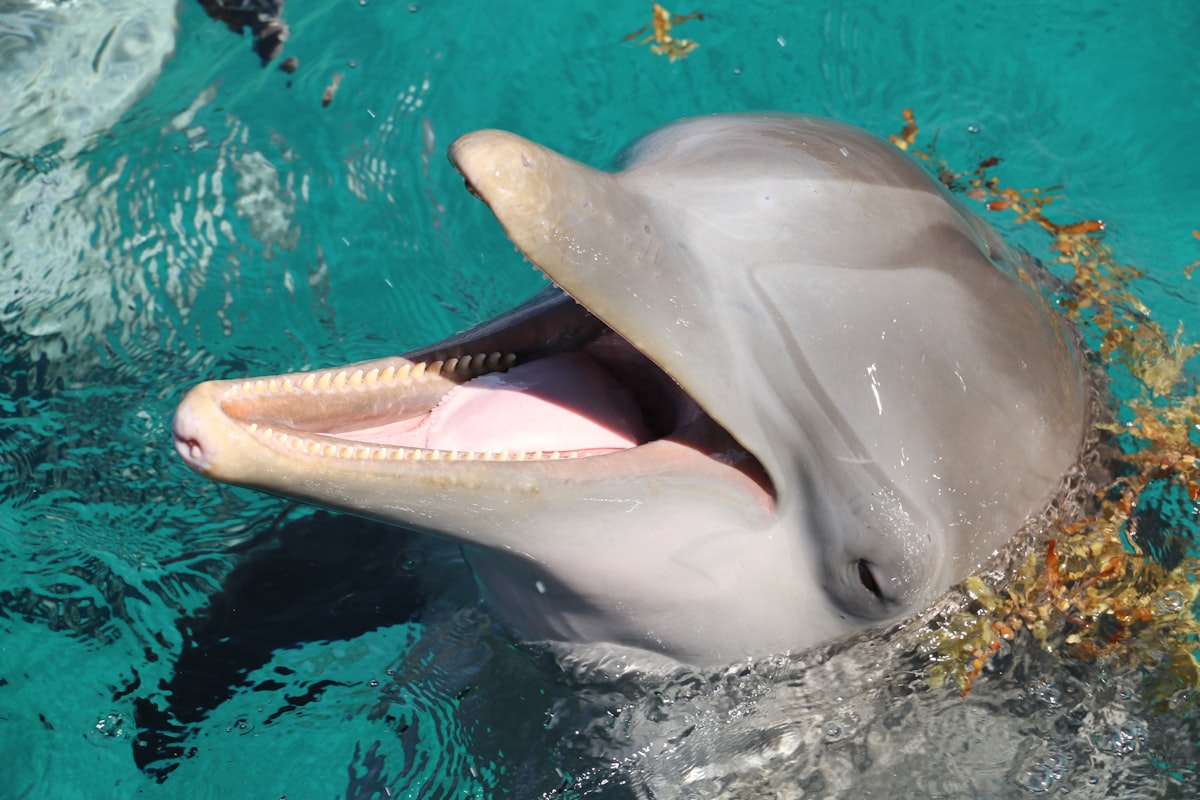
Base yourself where water and desert meet. Boat days from Sharm put you inside kaleidoscopic reefs—consider a daily diving tour in Sharm el Sheikh for effortless access. Further south, Marsa Alam’s protected bays suit slow snorkel loops; the Samadai Reef “Dolphin House” snorkel is a model for ethical wildlife viewing. Inland, Bedouin-led desert evenings turn stargazing into story.
Best Time / Conditions
Year-round is realistic; your focus dictates the season. Expect visibility of 20–30 meters on typical days, often more in calmer months. Water sits around 22–24°C in winter and 27–29°C in summer, with spring and autumn sweet spots for both sea and desert. Summer winds favor kites; winter’s gentler surface suits long snorkels.
What to Expect
Early starts and easy rituals: coffee in a quiet marina, fins on a sun-warmed deck, the first drop into cobalt. Underwater, reef plateaus between 5–20 meters teem with anthias and rays; walls fall away to unfathomable blue. Evenings pivot to dunes, bread baked under embers, and constellations told as lineage. Comfort comes from simplicity—and good company.
Who This Is For
Curious travelers who value presence over pace: new divers learning to listen to their breath; snorkelers trading crowds for conservation; solo travelers seeking grounded communities; couples and friends ready to swap “must-see” lists for meaningful rituals. If you’re open to early mornings, shared tables, and time that isn’t measured in attractions, you’ll thrive here.
Booking & Logistics
Pick a base that matches your mood: activity-rich hubs, quiet bays, or Sinai’s bohemian edge. Domestic hops like Cairo–Hurghada take about an hour, keeping transfers simple. Sharm–Dahab is a scenic mountain road drive. Join licensed operators, confirm group sizes, and pack layers for cool desert nights. Review visas, money, and norms with this visas, currency & safety guide.
Sustainable Practices
Lead with lightness. Use reef-safe sunscreen or full-coverage swimwear, practice impeccable buoyancy, and never stand on coral. Follow mooring-only operators; observe dolphins calmly at distance. Choose community-run desert camps, refill bottles, and keep your footprint small. For responsible desert and reef planning, see this Red Sea safari & desert adventures guide.
FAQs
This kind of trip isn’t about clocking sites; it’s about changing tempo. Expect early boat departures, unhurried surface intervals, and evenings that linger over tea rather than timelines. The more you bring patience—and a willingness to learn local rhythms—the more the Red Sea answers with clarity, color, and calm.
Do I need to be a certified diver to have a transformative experience?
No. Snorkelers often see the Red Sea at its most vibrant along shallow coral gardens, where light and life are richest. Many operators offer supervised intro dives, but equally profound are slow snorkels, mindful breathing, and simply drifting above schools of anthias and rays across sunlit plateaus.
How do community-led experiences differ from resort excursions?
Community-led trips typically run smaller groups, set respectful wildlife distances, and share cultural context—turning an activity into a relationship. Bedouin hosts, for example, connect stargazing to place and story. You’ll trade speed for depth, and a one-way transaction for conversations that continue long after you leave.
Is the Red Sea suitable for solo travelers in 2025–2026?
Yes—well-trodden hubs make logistics straightforward, and boats naturally create friendly micro-communities. Prioritize licensed operators, clear safety briefings, and group sizes that suit your comfort. Share plans with your accommodation, respect local norms, and you’ll find the blend of independence and support that solo travelers value.
In the end, it isn’t the reef roll call you remember—it’s how breathing with the sea, listening by the fire, and moving at human speed reshaped your sense of enough. That’s the Red Sea’s quiet gift: a journey that keeps traveling with you.


