
Dolphin House Reef, Marsa Alam: How to See Wild Dolphins Ethically at Samadai
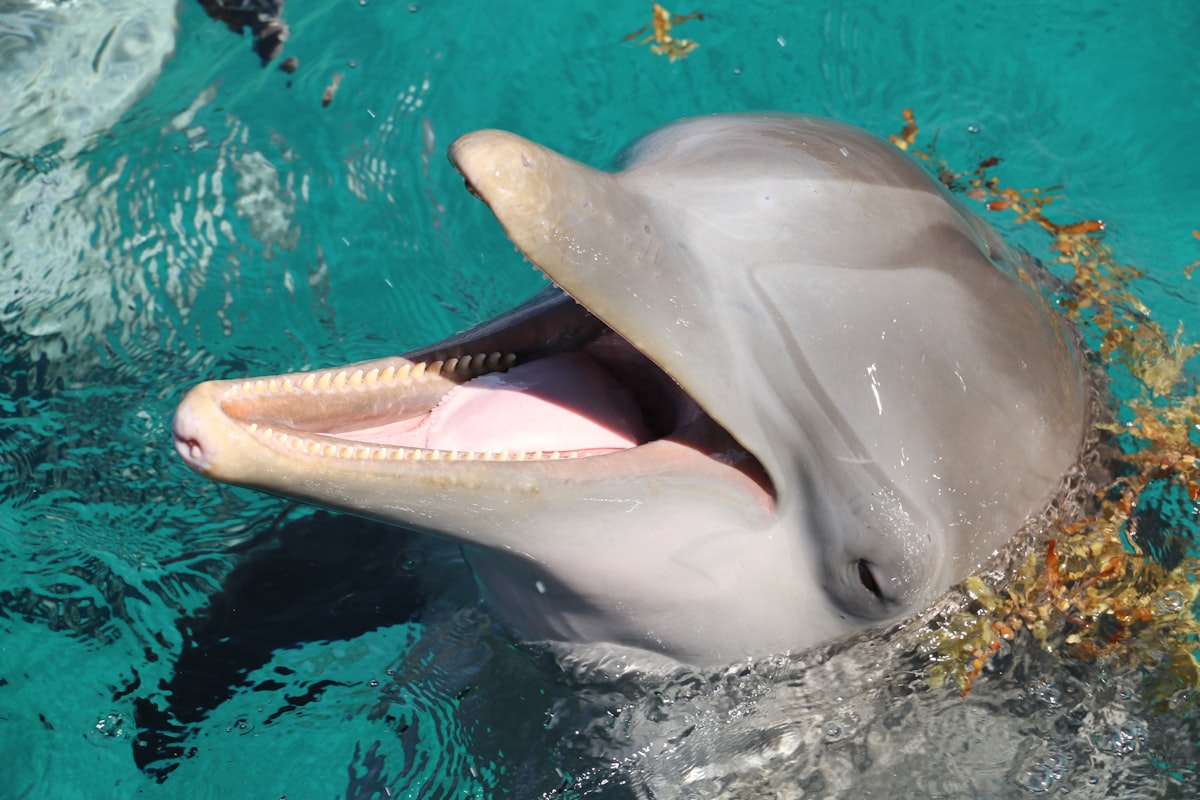
Dolphin House Reef usually refers to Sha’ab Samadai, the protected horseshoe-shaped reef south of Marsa Alam where spinner dolphins rest in a sheltered lagoon between offshore feeding trips. This is one of the Red Sea’s best-known dolphin sites, but the experience is not a circus and not a guaranteed close encounter. The point is the opposite: you enter quietly, stay at the surface, and let wild dolphins decide whether to approach.
That protected, managed setup is exactly what makes Samadai special. Instead of chaotic boat pressure, the reef operates with zoning, ranger oversight, and controlled in-water access. For travelers who care about wildlife ethics as much as marine beauty, Dolphin House Reef offers something better than a staged “swim with dolphins” promise: a real encounter on the animals’ terms, with excellent snorkeling even when the pod keeps its distance.
If you are planning a Red Sea wildlife trip, this is one of the standout experiences around Marsa Alam. It also pairs well with other reef-focused snorkeling trips if you are building a broader Egypt coast itinerary.
Where Is Dolphin House Reef?
Dolphin House Reef sits offshore from Marsa Alam on Egypt’s southern Red Sea coast. The site’s formal name is Sha’ab Samadai, and many boats market it simply as Samadai Reef or Dolphin House. It lies far enough offshore to require a proper boat trip, not a beach snorkel.
Most excursions depart from the Marsa Alam area and head out to the reef in the morning, when sea conditions are often calmer and the light is better for spotting fish, coral structure, and any passing pod. Depending on the departure point and sea state, the boat ride is commonly around 60 to 90 minutes.
Samadai is not the only dolphin-focused site in the region. Further south, Sataya Reef near Hamata also attracts spinner dolphins and is often mentioned in the same breath. But for travelers staying around Marsa Alam, Samadai is the more practical and famous choice.
Why Dolphin House Reef Is Different from Typical Dolphin Tours
Many dolphin tours around the world are built around pursuit: faster boats, repeated approaches, crowded water entries, and operators selling the fantasy of a guaranteed interaction. Samadai works best when none of that happens.
The lagoon is known as a resting area for spinner dolphins. That matters because resting time is biologically important. Dolphins that are forced to keep moving, avoid swimmers, or change behavior repeatedly pay an energy cost. Ethical operations reduce that pressure by using moorings instead of anchor damage, following site rules, and limiting how guests enter the water.
For you as a visitor, that creates a better experience. You are not chasing a highlight reel. You are observing a living reef system: the lagoon, the coral rim, reef fish in the shallows, deeper blue water beyond the wall, and the possibility of a dolphin pass that feels earned rather than manufactured.
The result is memorable even on “quiet” days. If dolphins appear, you see natural movement and social behavior. If they do not, you still spend a full day snorkeling one of Marsa Alam’s signature reefs.

What You Actually Do on a Samadai Day Trip
A typical Dolphin House Reef outing is a full-day boat trip rather than a quick marine stop. After boarding, the crew heads offshore while guides brief guests on reef safety, dolphin etiquette, and how entries are managed.
Once at the reef, the day usually includes two or three guided snorkel sessions. These are surface-based drifts or supervised swims rather than free-for-all swimming. At Samadai, that distinction is important. You stay calm, keep finning gentle, and follow the guide’s spacing instead of spreading out across the lagoon.
Expect a mix of lagoon snorkeling and reef-edge scenery. Inside the protected crescent, water is often shallower and calmer. Along the outer sections, the reef can drop away into deeper blue, with stronger visual contrast, larger coral formations, and different fish life.
Between water sessions, most boats serve lunch on board and allow time to rest on deck. Even without dolphins, the boat day itself is part of the appeal: open Red Sea water, long visibility, and a slower rhythm than high-turnover coastal excursions.
What Marine Life and Reef Scenery to Expect
Spinner dolphins are the headline species at Dolphin House Reef, but they are only part of the experience. Samadai is also a coral reef destination, and the reef deserves attention in its own right.
You can expect hard coral gardens, patch reefs, sandy channels, and reef slopes with the color and structural variety the southern Red Sea is known for. Typical sightings on a good snorkel day include butterflyfish, angelfish, parrotfish, surgeonfish, bannerfish, anthias, wrasse, and the occasional giant moray tucked into coral shadows.
Visibility is often excellent by global standards, which is one reason photographers like the site. The lagoon’s pale sand and bright coral patches create good contrast, while the outer reef edge offers dramatic blue-water framing. Conditions vary with wind, current, and sun angle, but Samadai’s visual appeal does not depend on one species alone.
That is the right mindset to bring. If you board only to tick off a dolphin swim, the day can feel too conditional. If you come for a protected reef ecosystem with the possibility of a dolphin encounter, the experience lands much better.

Best Time to Visit Dolphin House Reef
Dolphin House Reef runs as a strong year-round snorkeling experience, but calm mornings are the sweet spot. Earlier departures usually mean smoother surface conditions, easier drift control, and better comfort for first-time snorkelers.
From late spring through autumn, the Red Sea is warmest and many travelers find the water most comfortable for longer sessions. Winter remains swimmable, especially with a shorty wetsuit or good rash protection, but wind can add surface chop and reduce comfort during deck time between swims.
The key variable is not just season but sea state. A bright, calm morning with low wind often feels far better than a hotter but breezier day. Good operators adapt the order of snorkel sessions to current and visibility and work with the site rules instead of forcing rushed entries.
Samadai vs Sataya: Which Dolphin House Experience Is Better?
Travelers often compare Samadai Reef with Sataya Reef because both are associated with wild spinner dolphins. The right choice depends on where you stay, how long you want to be at sea, and how structured you want the experience to feel.
| Site | Best for | Access base | Day style | Main strength | Main trade-off |
|---|---|---|---|---|---|
| Samadai (Sha’ab Samadai) | Travelers in Marsa Alam who want a managed, ethical dolphin day | Marsa Alam | Full-day boat trip | Protected zoning, ranger oversight, easier access from Marsa Alam | Dolphin encounters remain unpredictable |
| Sataya Reef | Travelers staying further south who want a more remote lagoon setting | Hamata / deep south Marsa Alam region | Longer boat day, sometimes very early start | Famous for large lagoon scenery and strong dolphin reputation | More travel time and a longer, more demanding outing |
Samadai is the better fit for most Marsa Alam visitors. It is closer, easier to reach, and known for a more regulated approach. Sataya suits travelers who are already based further south and specifically want the extra-remote feel.
Who Dolphin House Reef Is Best For
Dolphin House Reef is ideal for travelers who enjoy wildlife experiences with restraint. If you value seeing animals without coercion, like long snorkel sessions, and are happy for the reef to be the star even if dolphins stay distant, this trip fits well.
It is also a good match for families with older children and teenagers who are comfortable in open water and willing to follow instructions. The day works well for first-time Red Sea snorkelers too, provided they are relaxed in the sea and use flotation support if needed.
It is not the best choice for people who want intense action, repeated close passes, or deep in-water pursuit. Duck-diving around dolphins and aggressive swimming are the opposite of what Samadai is about.
How to Choose an Ethical Dolphin House Tour
The quality gap between operators matters. The reef is the same, but the way a boat handles group size, briefings, and in-water behavior changes the entire experience.
Choose boats that emphasize small groups, proper wildlife briefings, and compliance with local controls. Good operators do not advertise “guaranteed dolphin swimming” or encourage guests to chase the pod. They explain entry rules clearly, use fixed moorings, and keep swimmers together under guide supervision.
Also look at how the crew handles guests who are less confident in the water. A strong operator provides flotation aids, controls entry timing, and prioritizes calm over speed. That is better for the group, better for the dolphins, and better for the reef.
If you are comparing Red Sea marine days beyond Marsa Alam, you can also explore Hurghada and specialized dolphin encounters to understand the differences between wildlife-focused trips and general reef excursions. If Samadai is your priority, browse Marsa Alam wildlife and snorkeling options with the same filter: ethics first, size second, hype last.
Practical Tips Before You Go
Bring a well-fitting mask and snorkel if you own gear you trust. Rental sets are common, but comfort matters on a surface-based wildlife trip because you spend a lot of time floating and observing rather than constantly moving.
Wear sun protection that does not rely solely on sunscreen. A long-sleeve rash guard or UV top, swim leggings or shorts, and a hat for the boat are more reliable in strong Red Sea sun. If you use sunscreen, apply it responsibly and avoid getting it on the boat deck or directly in the water right before entry.
Take seasickness precautions before boarding if you are sensitive. The site is offshore, and even on a good day the ride can feel longer on the return leg. A dry bag or waterproof pouch is useful, but avoid bulky accessories in the water.
Most importantly, reset your expectations before you arrive. The goal is not to extract a perfect dolphin moment. The goal is to join a well-run marine day in a protected environment where dolphins retain control over distance and duration.
Dolphin Etiquette at Samadai: What Responsible Guests Do
The best guests at Dolphin House Reef are quiet, predictable, and easy for guides to manage. Enter the water calmly, keep your body horizontal at the surface, and avoid splashing. Sudden vertical dives, heavy fin kicks, and loud calling create stress and make natural encounters less likely.
Never attempt to intercept dolphins or position yourself in front of their path. Do not reach, chase, whistle, or use flash. If calves are present, spacing matters even more; the correct response is always to give them more room, not less.
Respecting the reef is part of the same ethic. Do not stand on coral, hold the reef during rests, or let fins clip shallow formations. Samadai is compelling because it is still alive and functioning as habitat. Good guest behavior helps keep it that way.
Why Dolphin House Reef Belongs on a Marsa Alam Itinerary
Marsa Alam stands out on Egypt’s Red Sea coast because its appeal is not just resort convenience but access to healthier southern reefs, offshore marine life, and a slower, nature-led travel rhythm. Dolphin House Reef captures that character perfectly.
It gives you a reason to leave the shoreline and experience the open sea. It also complements other regional highlights, from shore reefs and seagrass bays to deeper southern boat routes. If your trip is centered on marine wildlife rather than nightlife or marina hopping, Samadai is one of the strongest full-day choices in the area.
For travelers planning a multi-stop Red Sea trip, it also creates a useful contrast. Hurghada offers broader excursion variety and easier transport links, while Marsa Alam delivers a more reef-first atmosphere. Browse Hurghada snorkeling trips if you want to combine lively resort logistics with a quieter southern reef stay.


